



By Mike Menninger, owner and attorney for Houck Menninger Law, LLC
Over the next two to three decades, an estimated $84 trillion in wealth will transfer from one generation to the next in the United States. Some estimates suggest this figure could be tens of trillions of dollars higher, representing the largest movement of private assets in history. And much of it will happen quietly, by accident (when no pre-planning has been done) or through wills, trusts and beneficiary designations.
In the Greater Dayton region, the numbers tell us more. Recent research by Philanthropy Ohio and its partners projects that, of the coming $84 trillion wealth transfer, roughly $215 billion will pass through the region alone by 2050. The projections aren’t exact, but if even 5 percent of that wealth transfer is directed to charity, the amount would exceed $10 billion. That number is not incremental. It is transformative. Consider what $10 billion in added funding looks like for our region. It funds educational resources and keeps our food banks stocked. It supports our hospitals and creates scholarships for students who have the drive but need resources to further their education. It also keeps the organizations that hold a community together from having to choose between their mission and their budget.
Wealth of this magnitude will move either with intention or without it. Most of it, by default, will pass to the next generation. This is not intended as a negative observation. Taking care of children and grandchildren is a worthy and legitimate goal. But it’s also worth helping your charitably inclined clients to consider what else their wealth might do for causes and nonprofit organizations important to them.
Fortunately, giving is simpler than it may seem, and it does not require sacrificing what your clients can leave for their family. Charitable planning can fit into an estate plan through beneficiary designations, charitable funds or trust structures that align personal, family and charitable goals. Annual giving can also be simplified. When done correctly, these techniques can reduce the overall tax burden on clients and their families, allowing them to direct those dollars to their favorite charities instead.
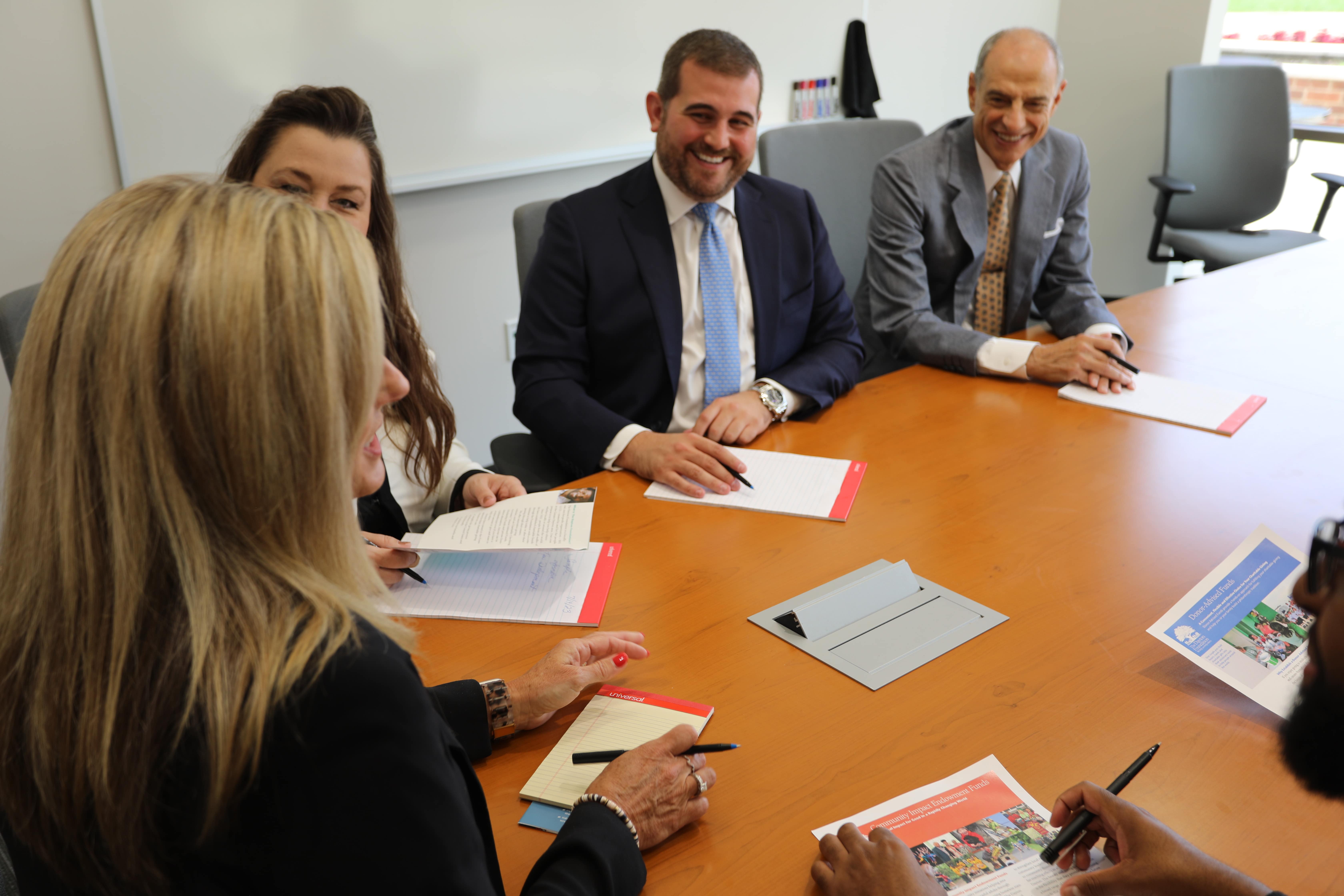
The tools are available to help your clients create their legacies. What often lacks is intention and, most importantly, conversation. We, as our clients’ trusted advisors, can start this conversation. We understand both our clients’ family goals and their charitable interests and can help them think through the options and integrate strategies into their estate and financial plans.
In my work as an estate-planning attorney, I frequently refer clients to The Dayton Foundation. These clients look beyond their families to make a community impact. The Foundation plays a meaningful role by providing structure to facilitate charitable giving, whether through donor-advised funds, scholarship funds or other vehicles. Just as importantly, it helps translate broad intent into something concrete, connecting donors with organizations and initiatives that align with their values. For clients who want to support local efforts, the Foundation can transform a general idea into something more practical and effective. For individuals with wider interests, it can support giving on a broader scale, allowing them to remain connected locally while directing support to causes wherever they may be. The Foundation offers a wide variety of charitable funds that can help us align a client’s goals with their estate plan.
For clients who have spent a lifetime building their legacy, the question of what impact it will have deserves the same care that built it. The wealth transfer is inevitable. The key question is whether it will carry intention, and the time to have this important conversation is nearer than most people realize. You can help your clients leave a legacy they – and their families – can be proud of by starting the conversation today.
Mike Menninger, owner and attorney for Houck Menninger Law, LLC, is a certified specialist by the Ohio State Bar Association in estate planning, trust and probate law. Recently named to the Ohio Super Lawyers list in estate planning and probate, Mike helps families implement simple and complex estate-planning strategies, as well as educates them on tax and asset protection considerations. He credits the lasting and meaningful relationships he has developed with his clients as the reason why he is in this business.