



By Kim Estess, partner, O’Diam & Estess Law Group
What if you could reduce your tax burden while creating a lasting impact on the people and communities you care about most?
For many families, thoughtful charitable planning can do exactly that. And as one of the largest transfers of wealth in our nation’s history approaches, there has never been a more important time to think intentionally about what we want our wealth to accomplish.
As an estate planning attorney, I have the privilege of helping families navigate those decisions every day. We talk about how to preserve wealth, provide for loved ones and transfer assets as efficiently as possible. But my favorite question centers around something even more personal: What do you want your wealth to accomplish?
For many families, the answer includes giving back. Charitable planning can be a powerful component of an estate plan, particularly when appreciated assets are involved. With the right strategy, charitable gifts can potentially reduce capital gains and estate taxes while allowing families to support the organizations and causes that matter most to them.
One of my favorite examples is the story of my client, Jane Woolley.
A few years ago, I had the opportunity to work with Jane, who was 91 at the time, and her daughter, Kathy Frazier. Jane had a clear vision for her estate plan. She wanted her plan to reflect her personal values, provide thoughtfully for her family and transfer her wealth in the most tax-efficient manner possible.
As we talked about her assets and her goals, one particular property stood out — a 150-acre, lakefront farm in Kentucky that had been in Jane’s family for 44 years. The farm was an important part of Jane’s history, but it was no longer being used by the family. Jane did not want to continue paying the expenses associated with maintaining the property, and she preferred to sell it rather than keep it in her estate and risk passing away owning out-of-state property.
There was, however, a significant tax consideration. Because Jane had owned the property for so many years, selling it could have generated a substantial capital gains tax. That conversation opened the door to another possibility. What if the property could be used to create a charitable legacy instead?
Jane and Kathy decided to explore the idea. I connected them with Michelle Lovely, senior vice president of Development and Donor Services for The Dayton Foundation, and other members of the Foundation’s team, who helped them navigate the charitable side of the transaction.
Ultimately, Jane donated the property rather than selling it herself. The result was a win on multiple levels. Jane was able to avoid the significant capital gains tax that otherwise could have resulted from a sale while also reducing the value of her potentially taxable estate. At the same time, this asset that had become something of a burden was transformed into a source of philanthropic opportunity.
By donating the property, Jane was able to establish a Donor-Advised Fund with The Dayton Foundation. Doing so allows Jane to continue supporting charitable causes she cares about during her lifetime while also creating an opportunity for future generations of her family to become part of that legacy. That is the true power of proactive legacy planning — the opportunity to make your wealth mean something impactful long after you are no longer here to spend it.
“Kim Estess’s expertise and attention to detail helped us create a plan that supports my mother’s personal values, passes on her wealth and lowers her tax burden. Together with Michelle Lovely, we evaluated several strategies. Michelle provided excellent information on the types of Foundation funds available and their support to set up a DAF. She also provided excellent guidance for the donation acceptance process,” Kathy Frazier said. “As a result, donating Jane’s property to The Dayton Foundation enabled her to avoid significant capital gains tax and reduce future estate taxes. But more importantly, the use of a Dayton Foundation DAF provides a way to carry on my parents’ philanthropic spirit for causes that have been near and dear to their hearts.”
That is what makes charitable planning so meaningful. At its best, it is not simply a tax strategy. It is a way to turn wealth into purpose. Jane’s story illustrates an important lesson for families who are preparing for the transfer of significant wealth. Philanthropy does not have to be something that happens after an estate plan is finished. It can be an integral part of the plan itself.
“We are excited to involve Jane’s grandkids in these efforts to raise their awareness and the impact they can have on the broader community. This provides a collaborative training ground for multiple generations to join together to research unmet community needs and have hands-on involvement as grants are awarded,” Kathy said. “Together, we will provide opportunities that foster individual growth and uplift the broader community. We are so grateful for the guidance that Kim and Michelle provided for our family to make a lasting impact.”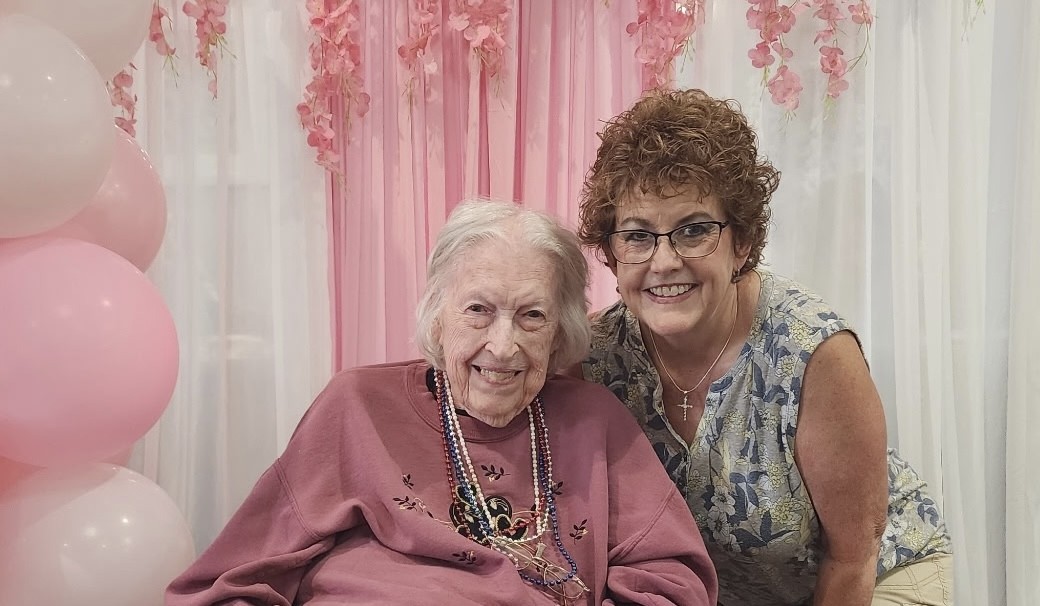
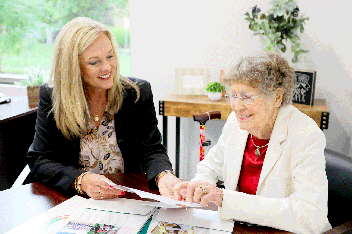
Jane Woolley (left) and her daughter, Kathy Frazier (right)
Kim Cullman Estess is a partner for O’Diam & Estess Law Group. She is a certified specialist in estate planning, trust & probate law by the Ohio State Bar Association and is a certified Specialist in elder law by both the National Elder Law Foundation and the OSBA. Kim’s practice focuses on estate planning, estate administration, elder law, asset protection, Medicaid, special needs planning and guardianships. She believes providing outstanding service requires more than just excellent legal work. It also involves taking the time to establish a strong relationship with each client in order to truly understand their unique goals.