



Step 1: Read and watch.
Before starting your application, review The Dayton Foundation’s grant eligibility requirements and guidelines, and watch our orientation video here. This is your first step in understanding what the Foundation funds, its application deadlines, funding limitations and other key details.
The Community Engagement department also hosts Nonprofit Connections Live twice a year. Organizational leaders, development staff and grant writers are encouraged to attend. These seminars provide insight into funding opportunities and guidelines, while offering a valuable chance to meet the staff who manage our grant programs.
Step 2: Talk to us.
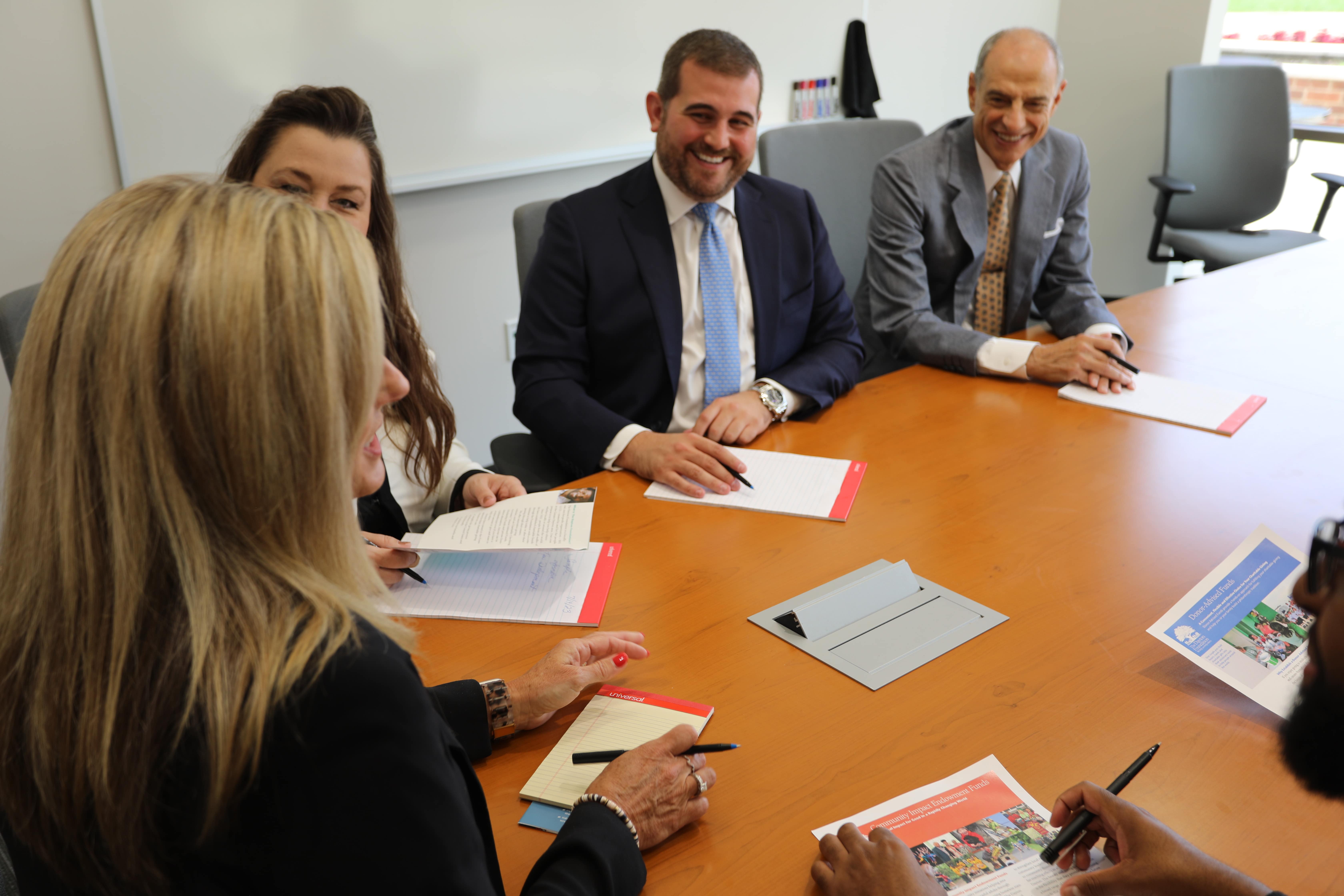
Once you’ve completed Step 1 and identified the grant opportunity that best fits your project, contact the appropriate staff member to share details about your proposal. Whether you’re a previous grant recipient or new to our process, we strongly encourage you to reach out. This step is a great opportunity to discuss your project in detail, ask questions and ensure you have all the necessary information and documentation ready for your application.
Grant deadlines are published in advance on our website. Please review these dates and schedule your meeting early— whether virtual, in-person or on-site as needed. Do not wait until the week of the deadline or the day applications are due to contact us. The earlier, the better.
Step 3: Be clear and get straight to the point.
Many applicants make the mistake of not reading the questions carefully or answering them fully. Some questions contain sub-questions. It's important to answer all sub-questions rather than try to focus on just one or two. Since our questions have a character limit, be clear and concise. No need to use elaborate words, adjectives or longer sentences. Instead, try to provide as much information about the project to tell a compelling story in as few words as possible.
Step 4: Provide data and evidence.
To make your proposal compelling, support your case with credible, local statistics that clearly illustrate the community you aim to serve—rather than relying on national data. Additionally, review existing research related to your project and identify proven models that have been successful elsewhere and consider piloting them locally. Strong, data-driven evidence demonstrates need and increases the impact of your application.
Step 5: Create a realistic, transparent project budget.
Your project budget should include both revenue and expenses and focus on the specific project—not your organization’s entire programming budget. Be sure to list all funding sources for the project, as well as indicate the status of each source in parentheses as secured, pending (include decision date) or potential. If you’re applying for a Foundation Discretionary Grant or your project exceeds our funding limitations, it is strongly recommended to have other funding secured prior to applying. For expenses, break down costs clearly to show how Dayton Foundation funds will be used if awarded and how funds contribute to the project’s impact.
Step 6: Attach accurate financial documents.
Please submit the following financial documents for your organization’s most recently completed fiscal year: balance sheet, income statement and audit. Do not submit partial-year or incomplete reports. If you are unfamiliar with the difference between a balance sheet and an income statement, consult your accountant or treasurer. If you plan to apply for a grant, notify your organization’s accountant and treasurer early to allow sufficient time to prepare these documents.
Step 7: Refine and review before submitting.
After completing the above steps, proofread your application for clarity and accuracy. All applications must be submitted through our Grants Portal. You may invite a colleague or mentor as a collaborator to review your application for gaps or inconsistencies before submission. Since the application requires a signature from your organization’s leadership, make sure they are available or add them as a collaborator. Once submitted, you will receive a confirmation email through the Grants Portal.
We strongly encourage starting your application early to allow time for or unexpected delays. A good practice is to set internal deadlines at least one week before the application’s due date to allow time for troubleshooting, emergencies and submission.